The Olympics rebuilt the surface. The bridges are still Victorian.
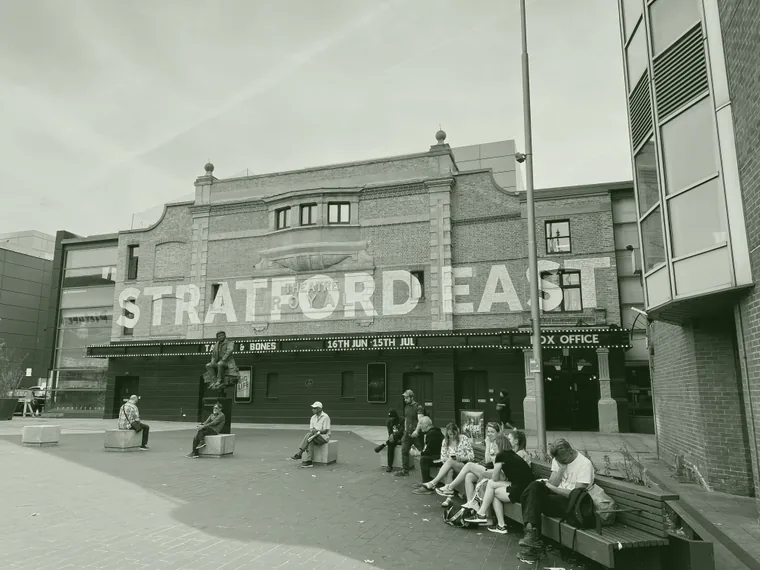
Everything awkward about driving a large vehicle round Stratford was decided by a locomotive factory that closed before most of the Olympic Park was born.
People assume the difficulty here is the Olympics — new roads, new barriers, event days. It is not. The constraints are a century older than the stadium, and they were built by a railway.
The works
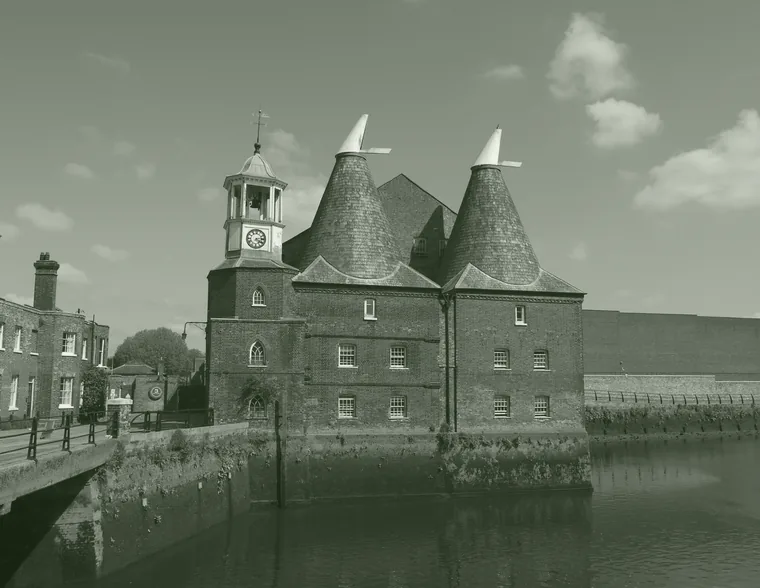
The Eastern Counties Railway opened its locomotive works at Stratford in 1847, on the fields north of the station. In 1862 the company became the Great Eastern Railway, and Stratford Works grew into one of the largest railway engineering sites in London — over 6,000 men at its Victorian peak, on a site in the V between the main line to Norwich and the branch to Cambridge.
Over its life it turned out 1,702 locomotives, 5,500 passenger carriages and 33,000 goods wagons. In 1891 the workforce set a world record by assembling a freight engine in nine and a half hours.
What a works needs
A site like that does not sit politely beside a town. It needs sidings, and sidings need bridges, and a Victorian railway bridge over a Victorian street was built to the height of a Victorian cart. Every one of those bridges is still there. That is why this corner of London has 112 recorded height restrictions where a comparable town has twenty-five — and why Carpenters Road, now inside the Olympic Park’s own street grid, still stops every full-size coach on the road at 3.50 m.
The end, and what replaced it
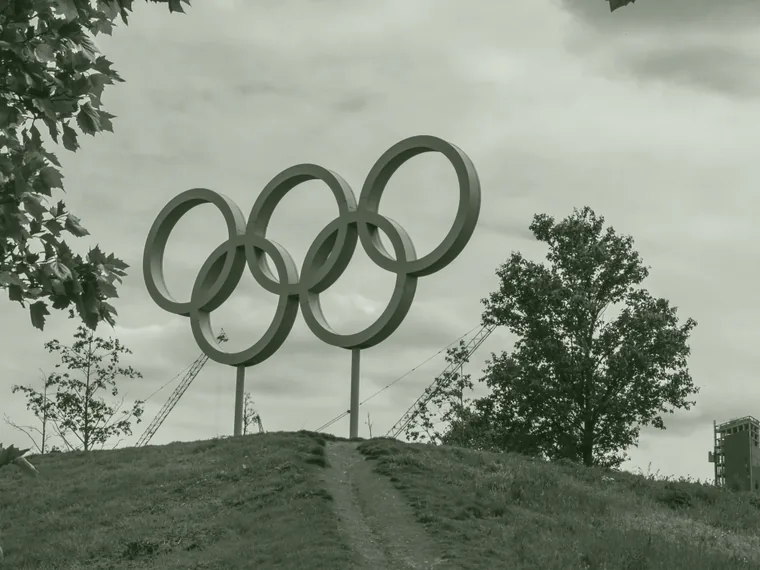
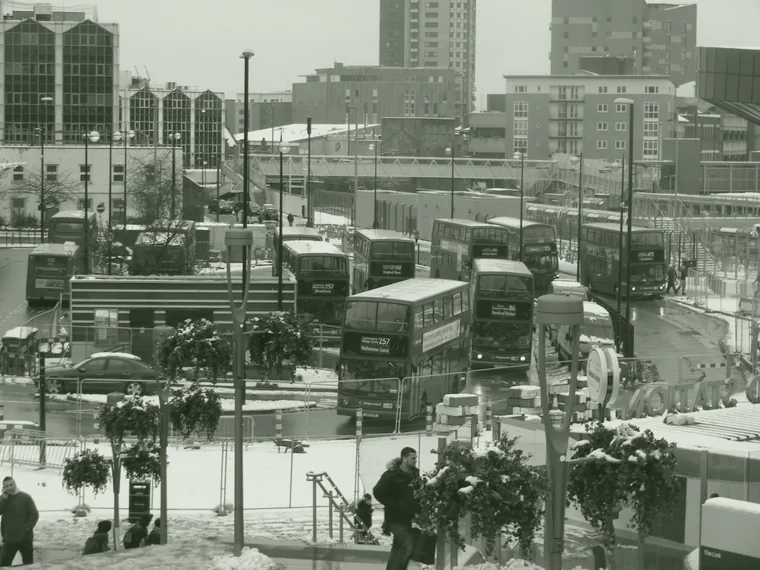
The LNER stopped building locomotives at Stratford in 1924. The site kept servicing them, made aircraft components and artillery parts through the Second World War, and finally closed on 31 March 1991. The land it left behind is now Westfield Stratford City and the Queen Elizabeth Olympic Park.
So the two things people come to Stratford for are standing on the works’ footprint. The redevelopment reshaped the ground, the platforms and the roads on top. What it did not do — because nobody demolishes a live railway to widen a street — is raise the bridges.
Why we bother telling you
Because it changes the answer to a simple question. “Can you get a coach to the Olympic Park?” is not really about the park; it is about which way you approach it, and whether the vehicle we send stands 2.8 metres, 3.9 or 4.4. Thirty-nine bridges round here separate the middle number from the top one. On this page that is the difference between a route and a three-point turn under a bridge in Hackney Wick.
Tell us the venue and the group size and we will tell you which vehicle fits the route, not just the party. In Stratford those are two different questions.